.svg)


Photos do more than show your property—they sell the lifestyle. In commercial real estate, especially in multifamily, the right photography can dramatically increase interest, tour bookings, and conversion rates. Whether you're in pre-leasing or stabilizing a new development, here are our top tips for producing photography that works as hard as you do.
Photos do more than show your property—they sell the lifestyle. In commercial real estate, especially in multifamily, the right photography can dramatically increase interest, tour bookings, and conversion rates. Whether you're in pre-leasing or stabilizing a new development, the visual assets you invest in today will work across your website, signage, paid campaigns, pitch decks, and social media for years to come.
Here are our top tips for producing photography that works as hard as you do.
1. Invest in Professional Photography (It's Non-Negotiable)
Smartphones are excellent for social media stories—but your website, signage, and paid ads demand professional-grade quality. The gap between phone photography and a skilled architectural photographer is immediately visible to prospective tenants comparing listings. Lighting, composition, editing, and resolution all contribute to how your property is perceived before anyone sets foot on site.
Professional photography is also a leveraged investment. The images from a single well-executed shoot should serve your marketing for two to three years—across your website, brochures, leasing office, email campaigns, and investor decks. Amortized over that lifecycle, it's one of the most cost-effective items in your marketing budget.
2. Capture the Lifestyle, Not Just the Structure
You're not just renting units. You're selling a lifestyle. The most effective CRE photography includes not just architectural and interior images, but scenes that help prospects imagine themselves living there—residents enjoying common areas, people using amenities, nearby restaurants, parks, and cultural landmarks that communicate the experience of actually living in your community.
Aspirational lifestyle imagery consistently outperforms pure architectural photography in digital ad performance. When a prospect sees someone who looks like them enjoying a rooftop, a dog run, or a co-working lounge, the imaginary leap to "I want to live here" becomes much shorter. That emotional shortcut is the job of great lifestyle photography.
3. Shoot with Your Brand in Mind
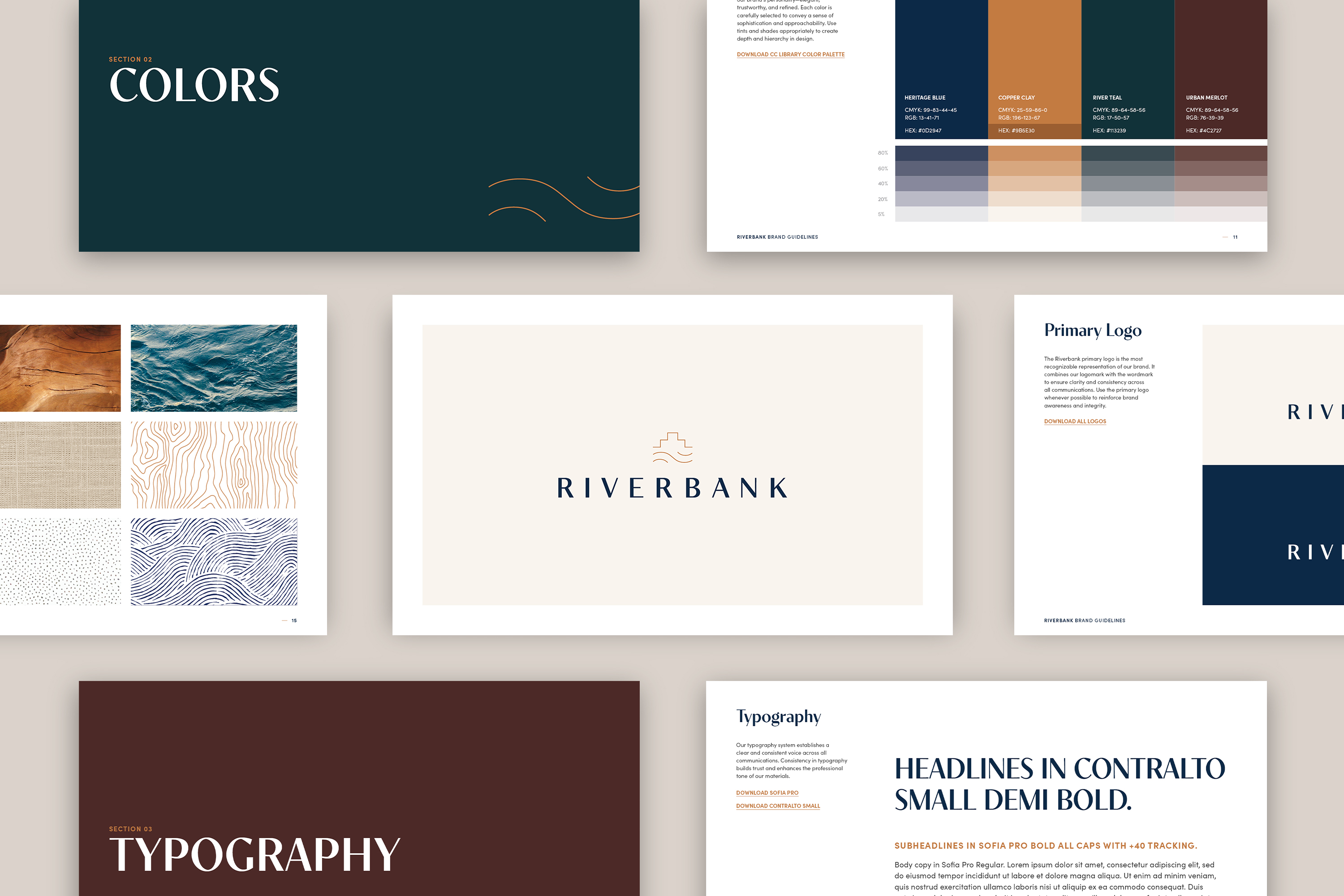
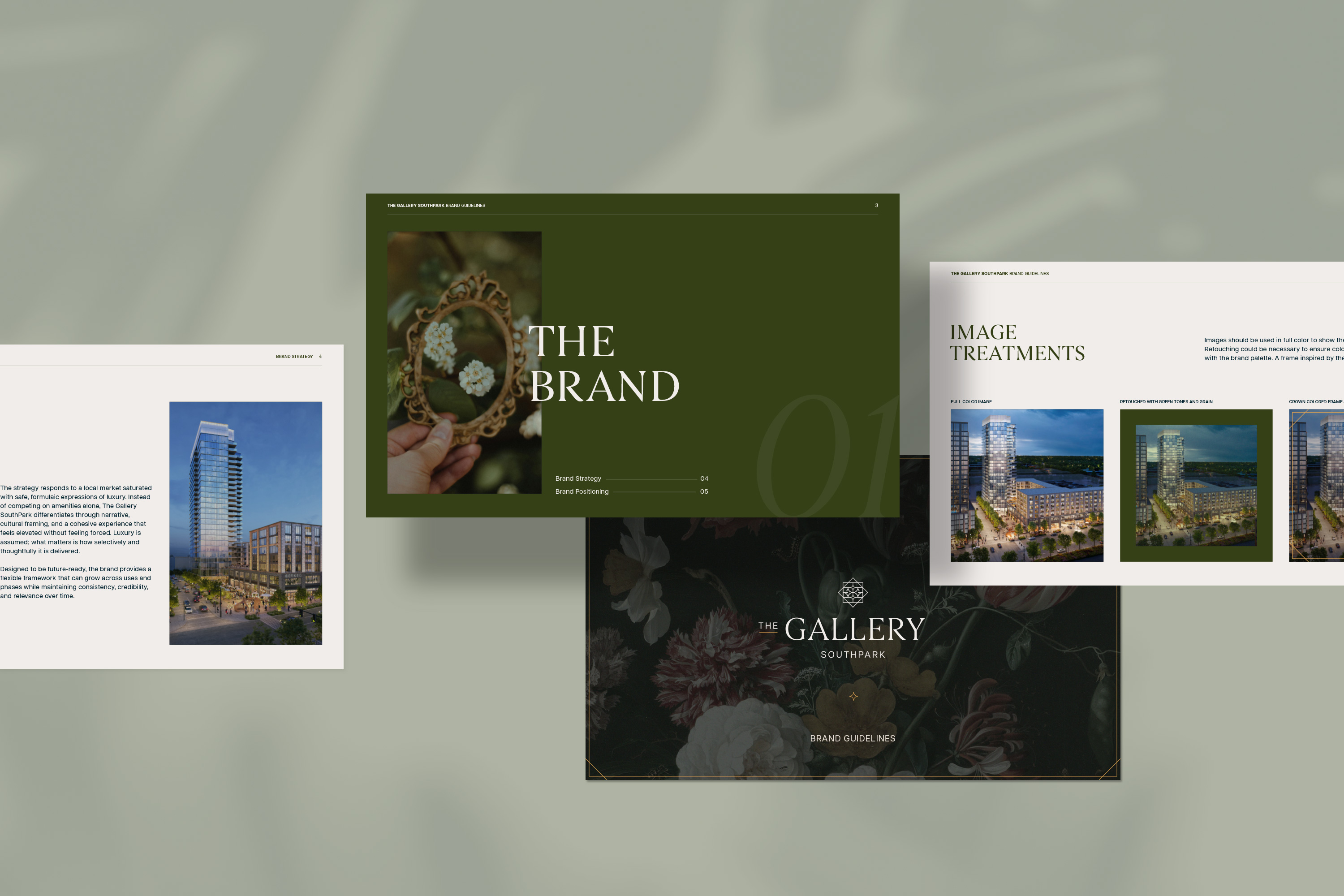
Photography should align with your property's brand tone—not just document the space. Is your property urban and modern? Serene and nature-forward? Industrial and artsy? Luxury and restrained? Your photography's color palette, mood, lighting approach, and subject matter should all reinforce your brand identity.
Before the shoot, share your brand guidelines, moodboard, and target renter profile with your photographer. Provide specific references for the tone you're after. A detailed shot list that aligns with your brand story ensures you get images that work cohesively across every touchpoint—not a mix of styles that look like they came from different buildings.
4. Prioritize Light and Angles
Natural light makes spaces feel larger, cleaner, and more inviting. Schedule your shoot during golden hour—early morning or late afternoon—whenever possible, particularly for exterior shots, rooftop and outdoor amenity spaces, and rooms with significant window exposure. Midday light creates harsh shadows and flattens architectural detail.
Wide-angle lenses give an accurate and generous sense of room scale, which is essential for smaller unit types where prospects may be skeptical. That said, avoid over-distorting—misleading photography creates distrust when prospects arrive for a tour and find a space that looks different than they imagined. The goal is to make spaces look their honest best.
5. Don't Forget the Details
Close-up shots of fixtures, textures, finishes, and custom details add polish and communicate quality. These macro shots are also highly versatile for social media, email headers, and print collateral—often more effective as campaign visuals than wide architectural shots because they're intimate and tactile. A close-up of a custom tile backsplash, a brass fixture, or a herringbone floor can communicate more about your project's quality than a full room view.
Branded detail shots—signage, lobby art, amenity graphics—should also be captured. These support marketing content that speaks specifically to your brand story rather than just the physical space.
6. Plan for Web and Print Applications
Different marketing channels have different aspect ratio requirements, and you can't always reshoot. Capture enough coverage so your team isn't locked into a single composition. Shoot both landscape and portrait orientations for key spaces. Capture images with negative space in the upper portion—blank sky, white wall, open hallway—so headlines and overlays can be added in post for website hero sections, signage, and ad creative.
Discuss intended use cases with your photographer before the shoot, not after. Knowing that a shot will serve as a billboard background changes how it should be composed. This brief conversation saves hours of post-production workarounds.
7. Create a Visual Library for Consistency
Once your shoot is complete, organize your final assets into a structured library with clear categories—exteriors, interiors, amenities, lifestyle, branding, detail shots. Tag images by orientation, intended use, and quality tier. Share this library with your marketing team or agency so everyone is pulling from the same approved asset bank.
Visual consistency across a campaign is a significant contributor to brand recognition and perceived quality. When every touchpoint—your website, your Instagram, your printed brochure, your leasing office wall—feels like it came from the same world, it signals that your brand is intentional and your property is professionally managed. That trust is built before a lease is ever signed.
How Sabato Supports Your Visual Content Strategy
We work with trusted CRE photographers and direct every shoot to align imagery with brand identity. Before each shoot, we develop a comprehensive shot list and creative brief so your photographer arrives with a clear picture of what's needed. From art direction and styling on shoot day to post-production and integration into your website, signage, and campaign assets—we ensure your visuals speak volumes from every channel they appear on.
Great photography is a foundation, not a finishing touch. The earlier it's in your plan, the harder it works.