.svg)

Branding is one of the most consequential investments a developer, property manager, or architecture firm can make. It shapes how you're perceived before anyone walks through a door, before a lease is signed, and before a project even breaks ground. Yet pricing is rarely discussed openly in this industry. Here is an honest look at what goes into a real estate branding engagement and what you should expect to pay.
Branding is one of the most consequential investments a developer, property manager, or architecture firm can make. It shapes how your properties are perceived before anyone walks through a door, how you compete for tenants in a crowded market, and how your firm is positioned relative to everyone else in your space. Yet pricing is rarely discussed openly. Most agencies won't publish their rates. Here is an honest look at what goes into a real estate branding engagement and what you should expect at different scopes.
What a branding engagement actually includes
Before talking numbers, it helps to understand what you're buying. Most branding projects involve some combination of the following.
Discovery and strategy comes first. A professional agency will spend time understanding your business, your audience, your competitive landscape, and what you're trying to communicate. This phase shapes everything that follows. Skip it, and you get a brand that looks good but doesn't connect.
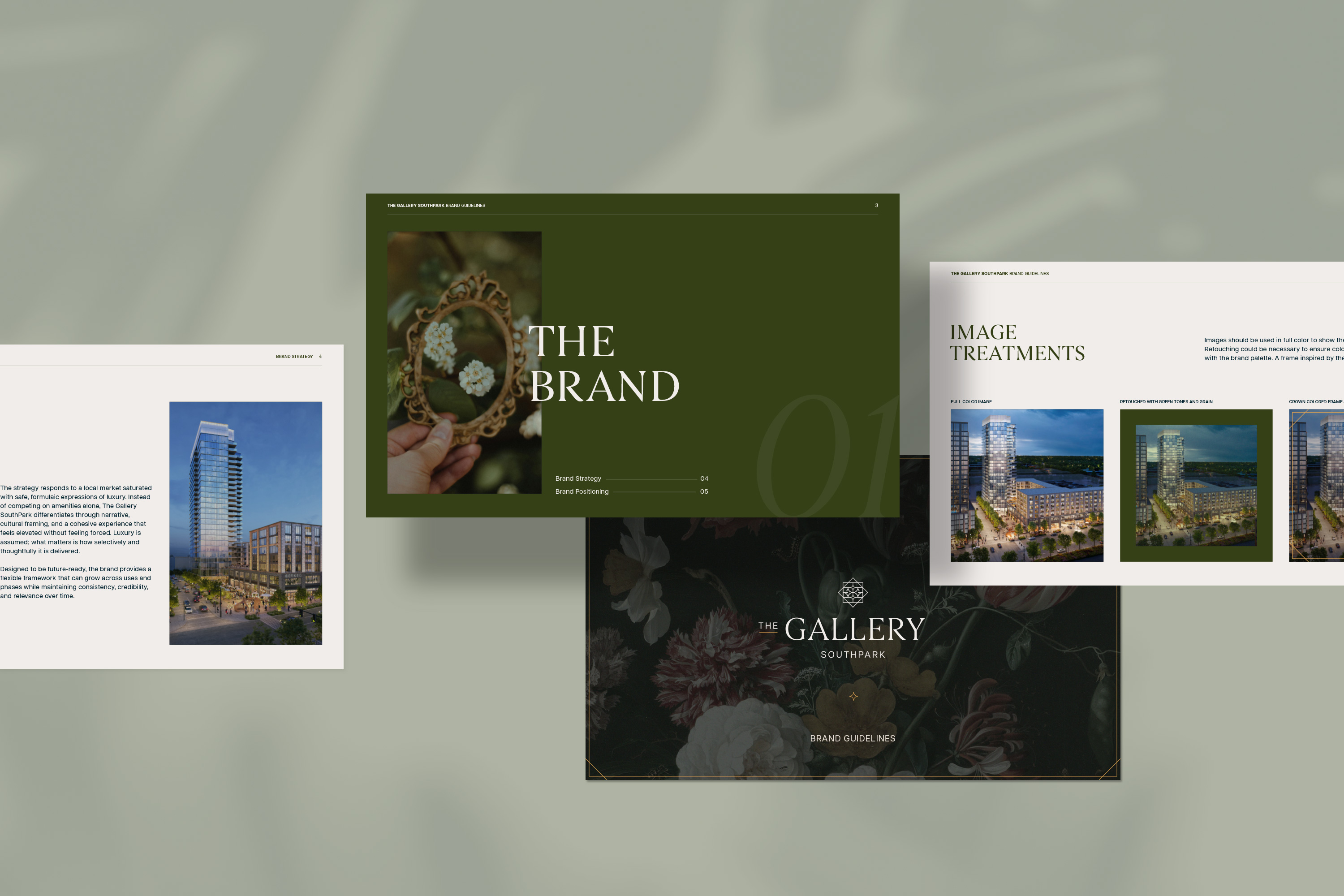
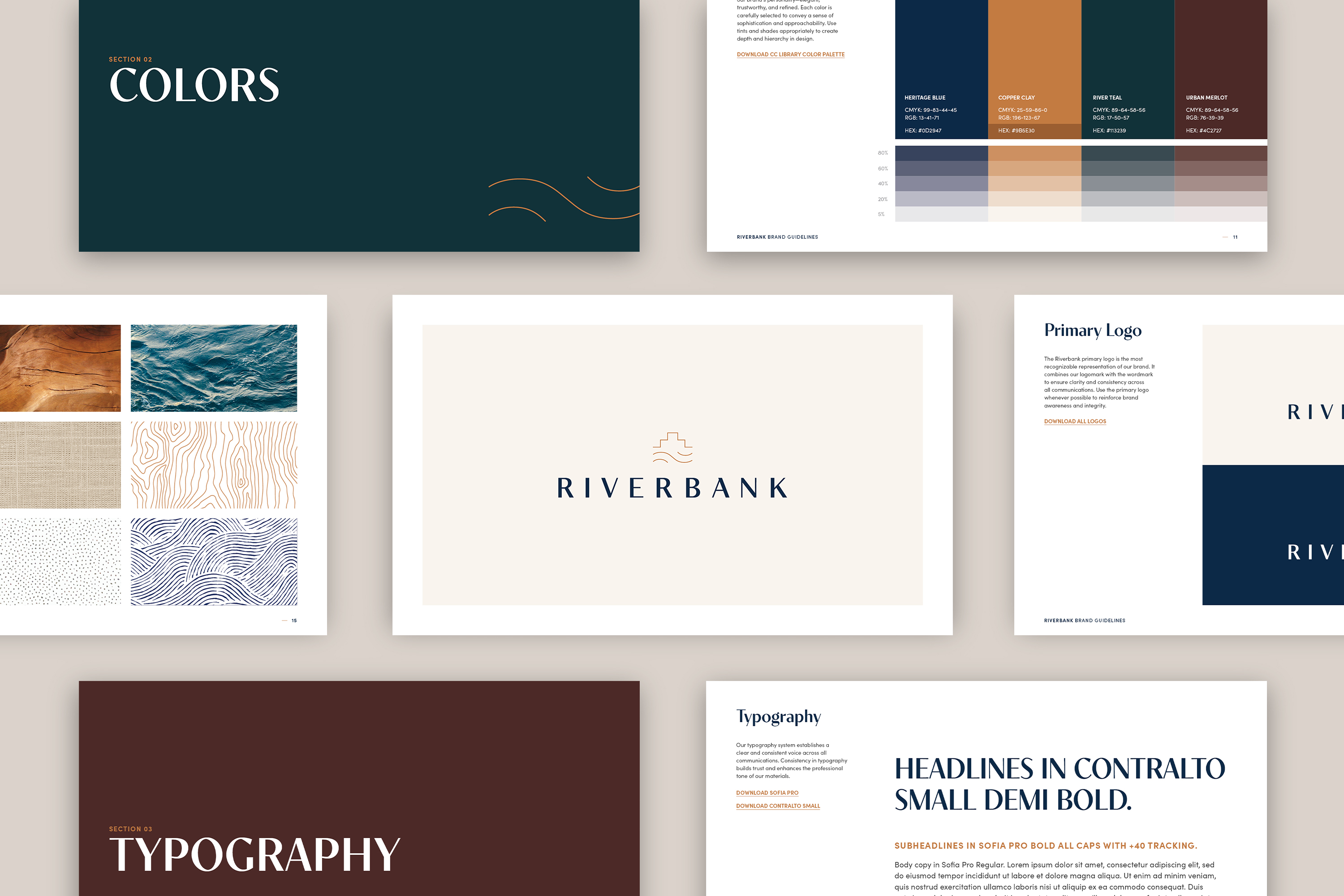
Visual identity is the core of most branding projects: logo, color palette, typography, and the visual system that governs how your brand looks across every touchpoint. A real identity system is more than a logo file. It includes guidelines that tell your team and vendors exactly how to use the brand.
Brand voice and messaging is what you say and how you say it. For CRE firms and developments, this includes positioning statements, taglines, and the language used across your website, leasing materials, and investor communications.
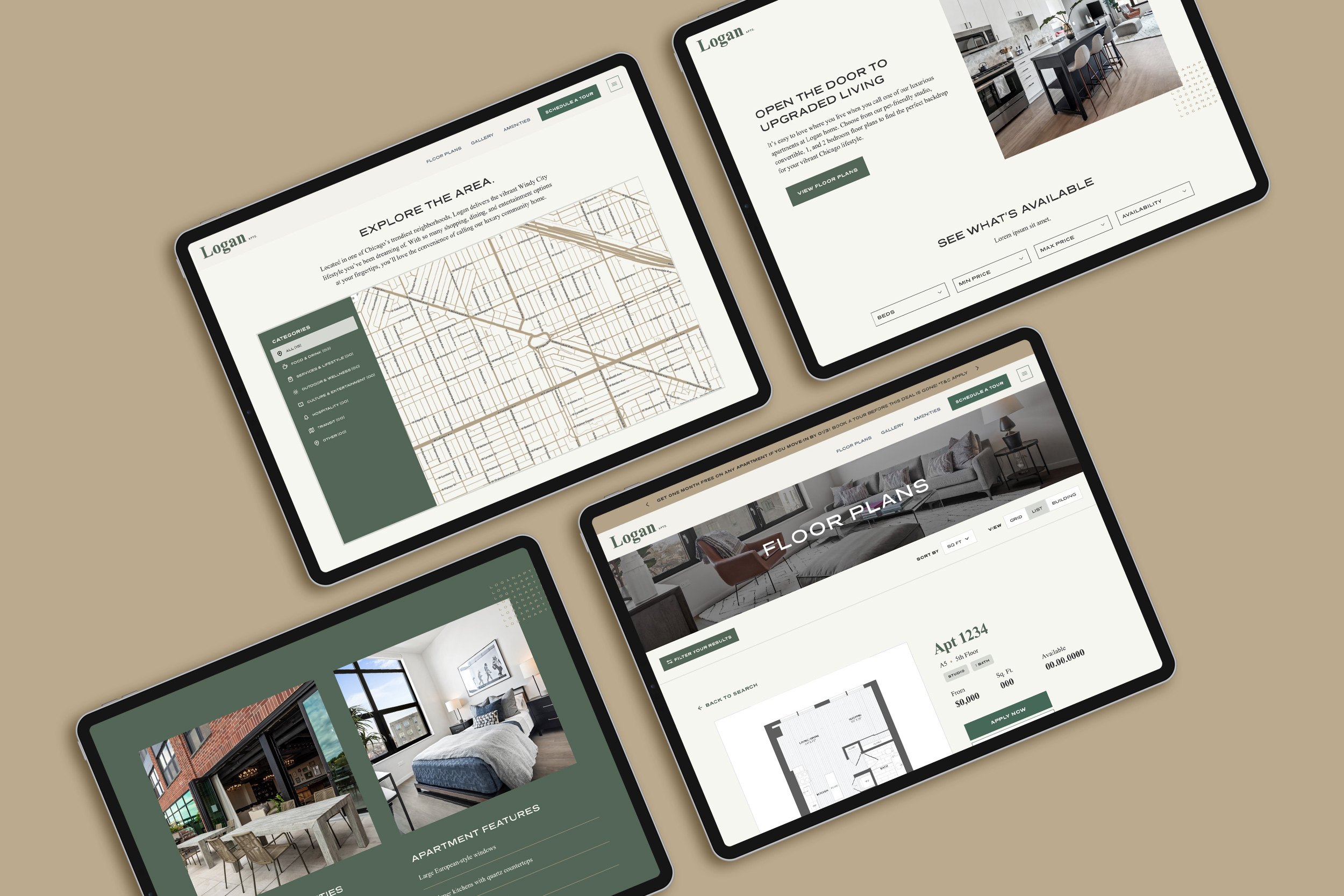
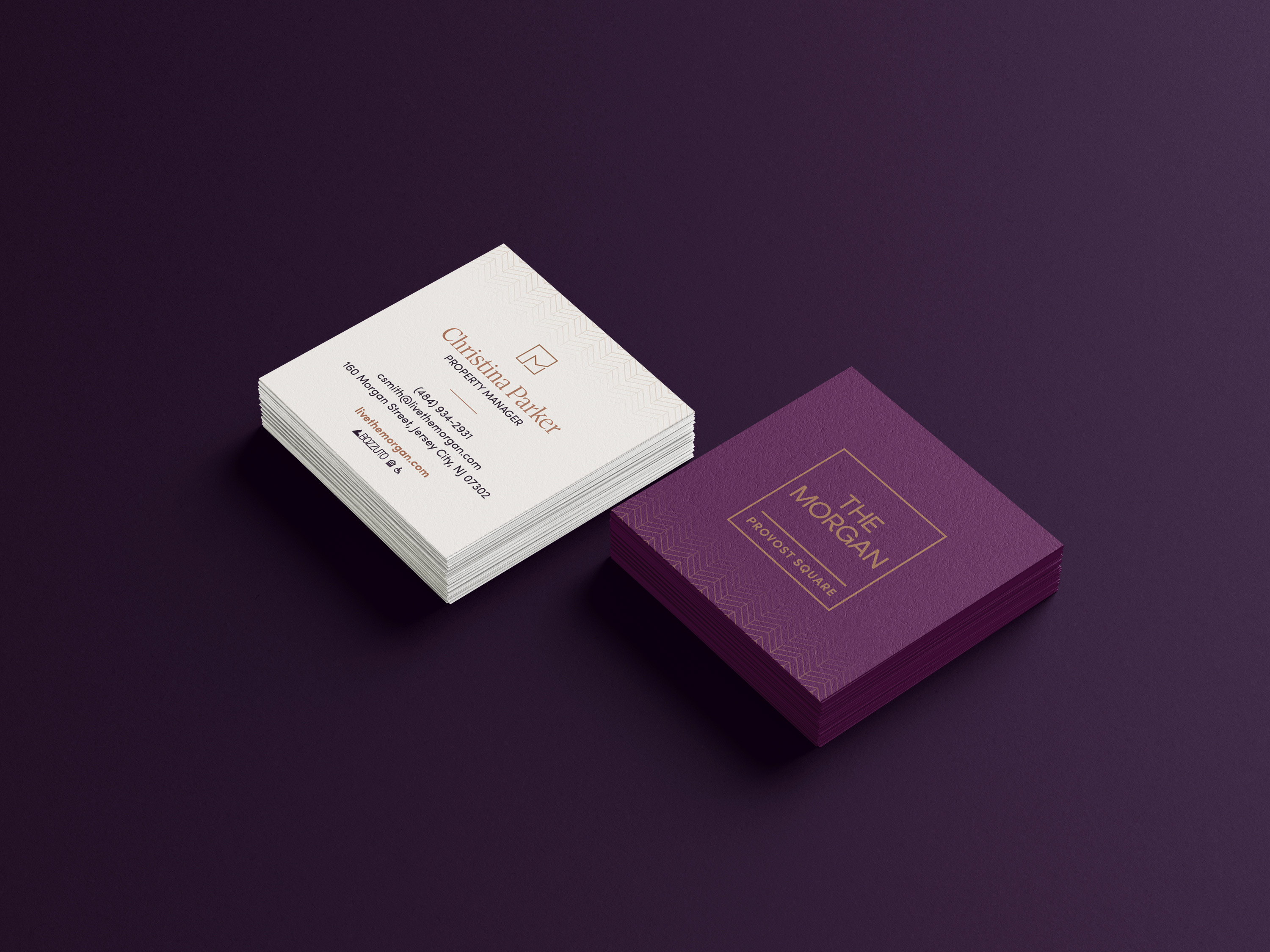
Collateral and application is where the brand gets applied to real-world materials: business cards, brochures, signage, presentation decks, email templates, and property websites. The further you take the brand into application, the more the scope and investment grow.
Typical investment ranges by scope
Real estate branding costs vary widely, but here is a reasonable framework for how to think about it.
Logo and basic identity: $3,000 to $8,000. This is a starting point, not a complete brand. You get a logo, a color palette, and basic typography. It is appropriate for a single property or small firm that needs something professional and consistent, but it will not give you a brand system you can scale.
Full brand identity system: $6,000 to $12,000. A complete visual identity with brand guidelines, logo variations, typography, color, and enough direction for your team and vendors to apply it consistently. This is what most growing property management firms, architecture practices, and developers with an active pipeline actually need.
Brand system with collateral and web: $30,000 to $60,000 and up. A comprehensive engagement that covers identity, guidelines, key marketing materials, and a brand website. For developers launching a new building or mixed-use project, this is often the right scope. The brand needs to work across digital ads, leasing brochures, signage, and broker packages from day one.
Agency retainers: Some firms retain a branding and creative agency to handle all ongoing creative output as the portfolio grows. Monthly retainers vary based on volume and scope, typically ranging from $3,000 to $10,000 per month depending on deliverables.
Why the cheapest option usually costs more
The appeal of a low-cost logo is understandable, especially early in a project or when budgets are tight. But a brand that doesn't hold up, that can't be applied consistently, or that doesn't differentiate you in a competitive market creates costs that compound over time.
Rebranding mid-lease-up is expensive and disruptive. Inconsistent materials that vary by vendor erode credibility with brokers and prospects. A brand that looks generic leaves money on the table in a market where the best properties and the best firms win on perception before they win on product.
The goal of a branding investment is not a logo. It is a competitive position in your market, a consistent impression across every touchpoint, and materials your team is proud to put in front of developers, tenants, and investors. That is worth building correctly the first time.
The honest answer
A full brand system for a CRE firm or development project typically falls between $10,000 and $30,000 depending on scope, with larger engagements that include websites and full collateral suites going higher. What you are buying is not a file. It is a competitive position. In a market where every developer, property manager, and AEC firm is competing for the same tenants, investors, and clients, the firms that invest in how they are perceived tend to win more than the ones that do not.
If you want to understand what a branding engagement for your firm or project would actually look like and cost, we are glad to walk you through our process.